







How to Build a Fall Maintenance Routine Before the Rain Sets In
September 26 2026,
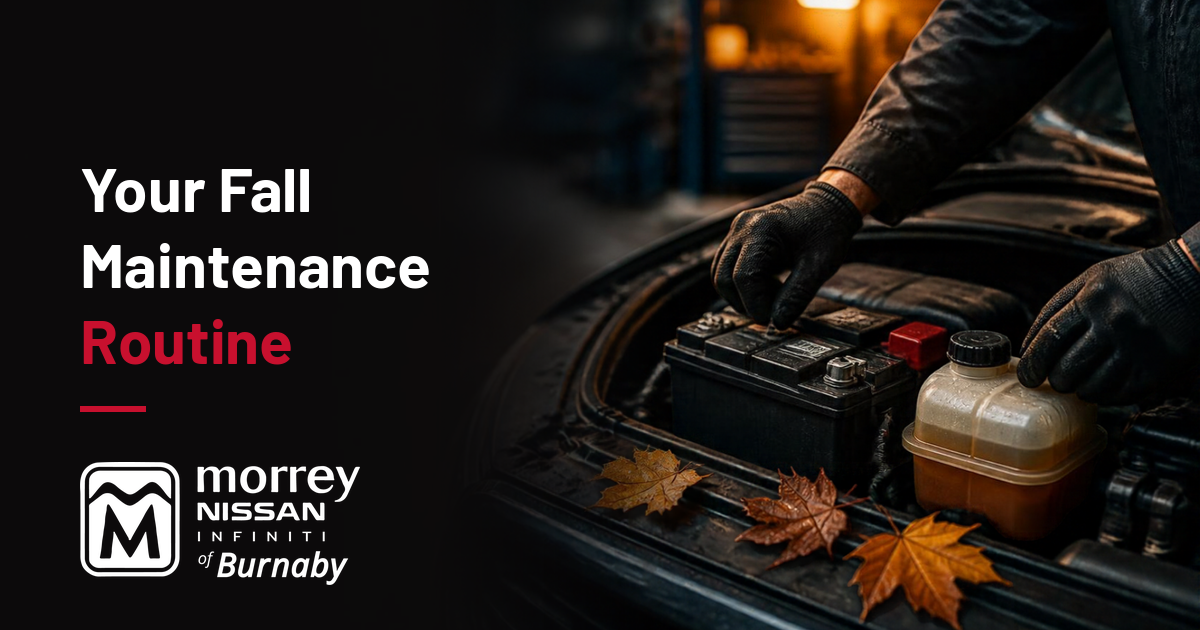
Winter preparation in the Lower Mainland has a timing problem. Everybody knows what needs doing. Almost everybody does it in the same two-week window in early November, immediately after the first cold snap, which is exactly when every service department in the region is fully booked.
The fix is not more work. It is the same work, spread across three months, starting in September. A routine rather than a scramble.
Here is how to build one, broken down by month, so that by the time the first genuinely bad November evening arrives, there is nothing left on your list.
Quick Answer: Split fall preparation across three months. In September, handle wipers, glass, lighting and a battery test. In October, book the tire changeover and check brakes and fluids. In November, verify tire pressures as temperatures drop and stock the emergency kit. Booking early is the single biggest advantage, since appointment availability disappears after the first cold week.
Why Does Timing Matter More Than the Checklist Itself?
Service capacity in the Lower Mainland is finite, and demand for seasonal work spikes into a two-week window every year. The same job booked in September takes days to schedule and in November takes weeks.
There is a second reason. Fall inspections frequently uncover something that needs a part ordered, and the lead time on parts is also worst during peak season. Discovering a brake issue in September gives you a comfortable timeline. Discovering it in mid-November means driving on it or waiting.
The routine below is built around that reality. Nothing in it is urgent in September. All of it is urgent in November.
September: Visibility and Electrical
Start with the things that fail first and cost least. Wiper blades, washer fluid, glass cleaning, exterior lighting and a battery load test.
Visibility is the priority because the wet season arrives before the cold does. By late September, Lower Mainland evenings are dark, wet and reflective, and a set of hardened wiper blades is already a genuine hazard. Replace them, clean the inside of the windshield, and check every exterior bulb including brake, reverse and plate lights.
The battery test belongs here for a specific reason. Batteries fail on the first cold morning, but they become weak long before. A load test in September identifies a battery that will not survive the winter, at a point where replacing it is a scheduled errand rather than a roadside problem.
Order seasonal parts and fluids in one go: wiper blades, washer fluid rated for cold, and any bulbs you found.
October: Tires, Brakes and Fluids
October is the month for anything that requires an appointment. Book your tire changeover, have brakes inspected, and check coolant, brake fluid and oil condition.
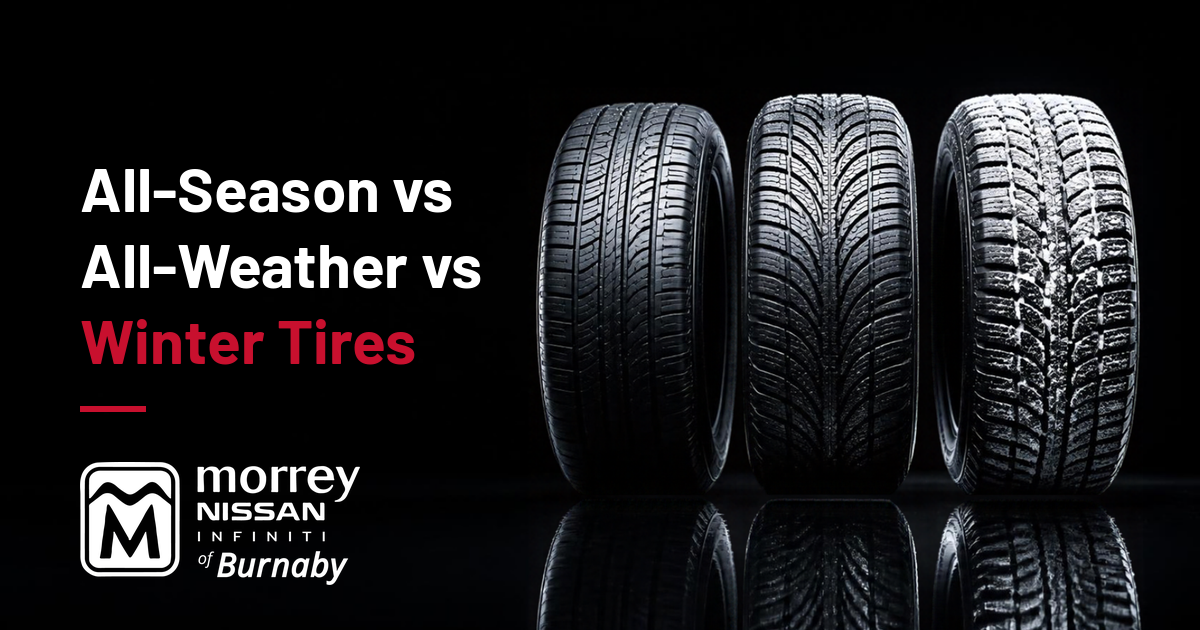
Tires are the item to book first, and earlier than feels necessary. British Columbia's designated highway winter tire requirements generally begin in early October, and the appointment queue builds from that date regardless of local weather. Book your tire changeover early and you get the time slot you want.
Brakes matter more in fall than most people realize, because wet roads lengthen stopping distances and coastal humidity corrodes brake hardware over the summer. A brake inspection now also identifies anything needing parts while lead times are still short.
Coolant deserves specific attention. Check both the level and the freeze protection rating, since coolant degrades over time and old coolant loses both its corrosion inhibition and its protection margin.
October checklist
- Winter or all-weather tire changeover booked and completed
- Brake pads, rotors, hardware and fluid inspected
- Coolant level and condition verified
- Oil and filter changed if the interval is close
- Cabin air filter replaced, which also improves winter defogging
November: Pressures, Kit and Habits
November is about small adjustments and readiness. Check tire pressures as temperatures drop, stock the emergency kit, and set the habits that make winter driving easier.
Tire pressure falls as air temperature falls, roughly one PSI for every six degrees Celsius of drop. That means tires set correctly in warm September are meaningfully underinflated by a cold November morning. Check them cold and reset to the door jamb specification.
The emergency kit should account for the fact that British Columbia highway closures can last hours with no services available. Blanket, warm layers, flashlight, phone power bank, water, non-perishable food, and jumper cables or a jump pack. Check conditions through DriveBC before any trip that leaves the Lower Mainland.
Habits matter too. Clear all glass fully rather than a porthole. Allow extra following distance on wet roads. Slow down before curves rather than in them. None of this costs anything and all of it matters more in November than in July.
What Should You Not Bother With?
Skip the additives, the seasonal flushes nobody recommended, and the block heater unless you regularly leave the coast. Lower Mainland winters do not require the preparation that Prairie winters do.
Block heaters are the clearest example. They are genuinely useful in sustained deep cold and largely unnecessary at sea level on the coast, where temperatures rarely stay low enough for long enough to justify one. If you travel regularly to the Interior or northern British Columbia in winter, that changes the calculation.
Similarly, be cautious about flush services proposed outside the manufacturer's schedule. Follow the maintenance schedule in your owner's manual, and treat additional recommendations as things to ask about rather than accept automatically.
Make It Repeatable
The value of a routine is that it stops requiring decisions. Same three months, same three lists, every year. Put a reminder in your calendar for the first week of September and the work distributes itself.
Drivers who run this routine consistently spend less overall, because problems get caught while they are small and work gets done at normal capacity rather than peak. They also spend the winter not thinking about their vehicle, which is the actual goal.
Ready to start? Book your fall service or see what our service department covers and get the September items handled while there is no queue.
Frequently Asked Questions
When should I start preparing my car for winter in the Lower Mainland?
Start in September. Handle visibility and electrical items first, book tire and brake work in October, and finish with pressures and emergency supplies in November. Starting early means appointment availability, shorter parts lead times, and no scramble after the first cold snap.
Does tire pressure really drop in cold weather?
Yes. Tire pressure falls roughly one PSI for every six degrees Celsius drop in air temperature. Tires set correctly in warm weather will be noticeably underinflated on a cold morning, which affects handling, wet grip, tread wear and fuel economy. Check pressures cold and reset to the door jamb specification.
Do I need a block heater in Vancouver?
Generally no. Block heaters are valuable in sustained deep cold, which is uncommon at sea level on the coast. If you regularly travel to the Interior, the north or the Prairies in winter, a block heater becomes worthwhile. For Lower Mainland driving alone, it is rarely necessary.
How do I know if my battery will survive the winter?
Have it load tested rather than voltage checked. A battery can show acceptable resting voltage and still fail under the higher current demand of a cold start. A load test takes a few minutes at any service department and identifies a weak battery while replacement is still a planned errand.
Should I change my coolant before winter?
Check it rather than automatically changing it. Verify both the level and the freeze protection rating, since coolant loses effectiveness over time. Follow your manufacturer's replacement interval for the actual change. A test takes seconds and tells you whether the fluid still provides the protection it should.