







Rain Season Visibility: Wipers, Glass, Lighting and Defog
September 19 2026,
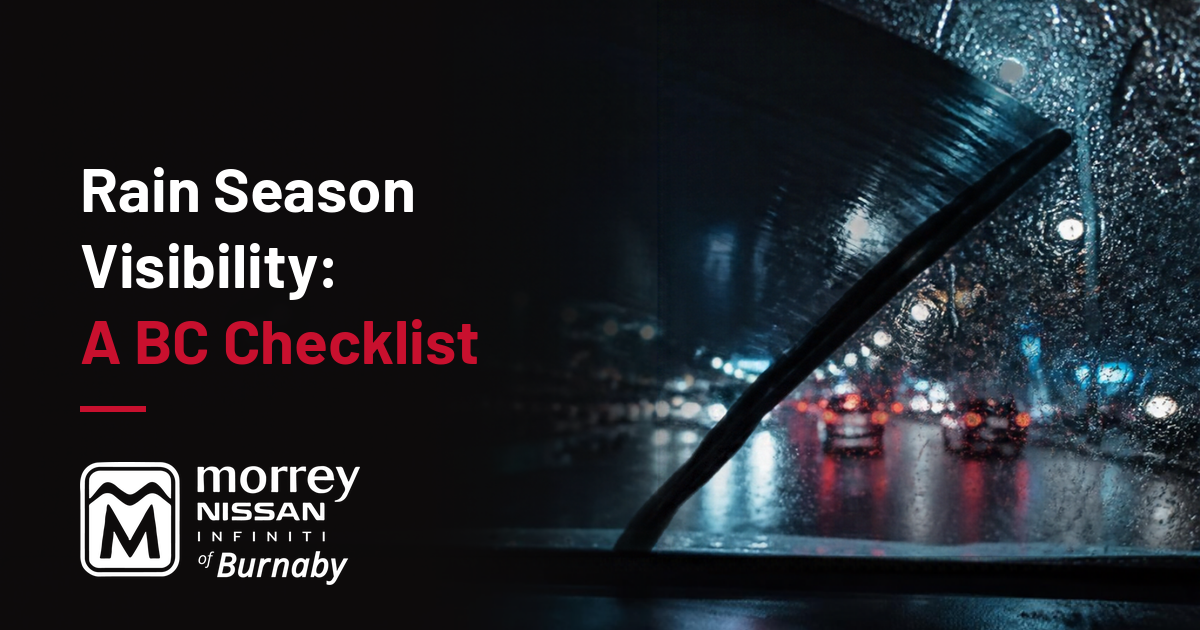
The worst driving conditions in the Lower Mainland are not snow. They are a 5pm November commute in heavy rain, on a road with standing water, with oncoming headlights scattering across a windshield that has not had a new wiper blade in three years.
That situation is dangerous, and almost every contributing factor is something you can fix in an afternoon for very little money. Visibility is the cheapest safety system on a vehicle to maintain and the one most consistently neglected.
September is the right time to address it, before the rain arrives rather than during the first storm. Here is the full visibility checklist for a coastal wet season.
Quick Answer: Wet weather visibility depends on four things: wiper blade condition, glass cleanliness inside and out, headlight output and aim, and how quickly you can clear interior fog. Replace wipers annually, clean the inside of the windshield, restore hazed headlight lenses, and use air conditioning with fresh air to defog fastest.
Why Do Wiper Blades Fail Without Looking Failed?
Wiper rubber hardens and develops micro-tears from ultraviolet exposure and ozone, and a blade in that condition looks completely normal when dry. The failure only appears under load, on wet glass at speed.
This is why the annual replacement rule exists. Do not wait for streaking, because streaking means the blade has been degrading for months and you have been driving with reduced visibility that entire time. In the Lower Mainland, blades work harder and longer than in most climates, which shortens their useful life further.
Replace both front blades at the same time and do not forget the rear on a hatchback or SUV, which is the blade people most often let go for years. Order wipers, bulbs and washer fluid as a single seasonal purchase.
Signs your blades are done
- Streaking or missed bands that persist after cleaning the glass
- Chattering or juddering across the windshield
- A rubber edge that feels hard, cracked or shiny rather than soft and matte
- Visible separation of the rubber from the blade frame
- Any blade older than about twelve months in this climate
Why Does the Inside of the Windshield Matter So Much?
The inside of the windshield develops a film from plastic off-gassing, cabin humidity and airborne oils, and that film is what turns oncoming headlights into a blinding scatter at night.
Almost nobody cleans it. Drivers wash the exterior regularly and treat the interior surface as if it stays clean on its own, which it does not. Run a finger across the inside of your windshield and look at what comes off.
Clean it with a dedicated glass cleaner and a clean microfibre towel, then follow with a second dry towel. Avoid ammonia-based cleaners on vehicles with tinted glass or interior coatings. Two towels is the trick that gets you streak-free rather than smeared.
The exterior deserves attention too. A clay treatment or a dedicated glass polish removes bonded road film that regular washing leaves behind, and a water repellent coating applied over clean glass causes rain to bead and shed at speed, which noticeably reduces wiper dependence on the highway.
Are Your Headlights Actually Working?
Hazed or yellowed headlight lenses can reduce light output dramatically, often by more than half, while still appearing to work normally. Ultraviolet exposure degrades the polycarbonate lens surface over years.
The test is simple. Park facing a wall at night and compare your low beam pattern to what you remember, or compare against a newer vehicle. A hazed lens produces a diffuse, dim, poorly defined beam that scatters light rather than projecting it forward.
Lens restoration is inexpensive relative to replacement and effective when done properly, meaning sanding through the degraded layer and applying a fresh ultraviolet-resistant clear coat. A quick polish alone looks better for a few months and then returns.
Aim matters too, and it is frequently overlooked. Headlights knocked out of alignment by a minor impact or a heavily loaded vehicle either underlight the road or blind oncoming drivers. ICBC consistently identifies visibility and lighting as contributing factors in nighttime collisions, and both are addressable.
What Is the Fastest Way to Defog a Windshield?
Turn on the air conditioning with the heat and use fresh air rather than recirculation. Air conditioning dehumidifies, and fresh air brings in drier outside air, which is why this combination clears glass far faster than heat alone.
The reason people get this wrong is intuitive but incorrect. On a cold rainy day, switching on the A/C feels like the opposite of what you want. But fog is condensed moisture, and removing moisture is the entire task. The compressor is your dehumidifier, and most vehicles engage it automatically in defrost mode for exactly this reason.
Recirculation is the other common error. It traps the humidity your passengers are producing inside the cabin, which is precisely what is fogging the glass. Fresh air mode exchanges that humid air for drier outside air.
Clean interior glass also fogs less severely and clears faster, because the film that accumulates gives moisture more surface to cling to. The two jobs reinforce each other.
What About Tires and Standing Water?
Tread depth determines how much water your tires can channel away, which sets the speed at which hydroplaning begins. Worn tires hydroplane at meaningfully lower speeds than new ones on the same road.
This belongs in a visibility article because the two failures compound. Reduced visibility means you see standing water later, and worn tires mean you have less margin when you reach it. Highway 1 and Highway 99 develop standing water in the ruts during heavy rain, and both factors matter at the same moment.
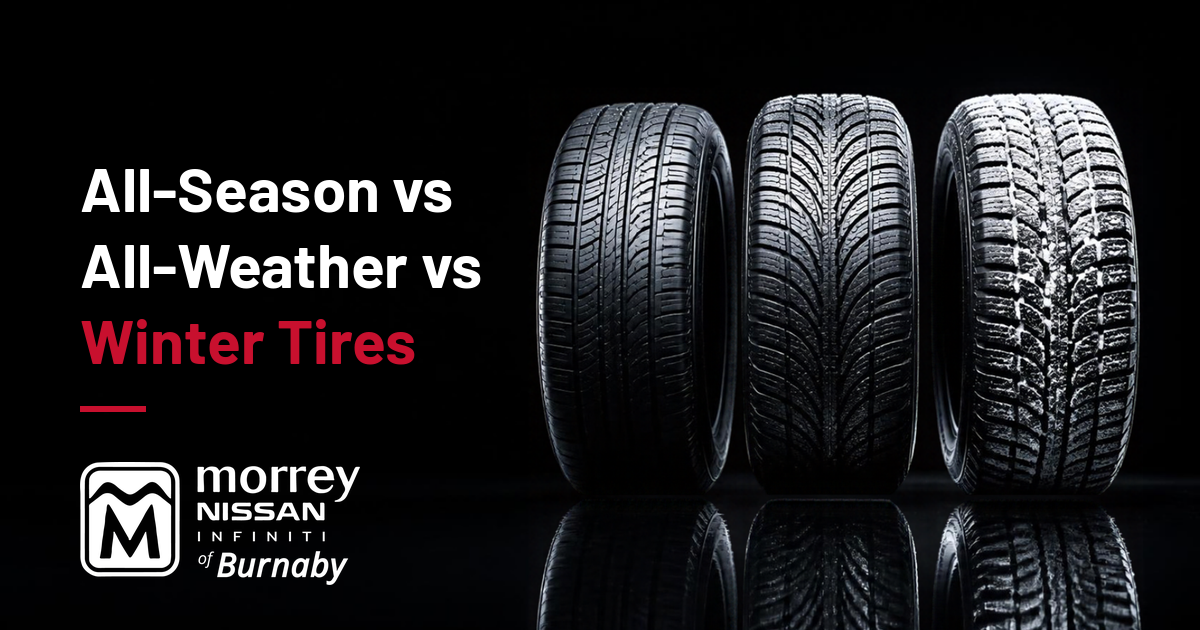
Check tread depth before the wet season rather than waiting for the legal minimum, which is a threshold for enforcement rather than a recommendation for wet performance. Check your tires for wet grip if yours are getting close.
Do It All in One Afternoon
Wipers, washer fluid, interior and exterior glass, headlight condition, and a tread depth check. That is the whole list, and it is genuinely a single afternoon or one service visit.
The return on that time is disproportionate. Nothing else you can do to a vehicle for comparable effort improves your ability to avoid a collision as much as being able to see clearly on a dark, wet Lower Mainland evening.
Want it handled in one stop? Book a visibility check or visit our service department before the rain settles in for the season.
Frequently Asked Questions
How often should I replace my wiper blades in Vancouver?
Once a year is the practical standard in the Lower Mainland, and September is the ideal time. Blades work far more hours here than in drier climates, and ultraviolet exposure hardens the rubber even during months of light use. Replace them before streaking appears rather than after.
Why does my windshield fog up so quickly?
Because cabin humidity condenses on cool glass, and several factors accelerate it: wet clothing and footwear, breathing passengers, recirculation mode trapping moisture, and a dirty interior glass surface that gives condensation more to cling to. Using air conditioning with fresh air addresses the cause directly.
Should I use AC or heat to defog the windshield?
Use both. Air conditioning removes moisture from the air while heat raises the glass temperature above the dew point, and together they clear fog far faster than heat alone. Also select fresh air rather than recirculation, so you are drawing in drier outside air instead of recycling cabin humidity.
Do hazy headlights really affect how well I can see?
Yes, significantly. Ultraviolet degradation of the polycarbonate lens scatters light rather than projecting it, which can cut usable output by more than half while the lights still appear to be working. Proper restoration involves sanding through the degraded layer and applying a fresh ultraviolet-resistant coating.
Does a windshield water repellent coating actually work?
Yes, particularly at highway speed, where airflow sheds beaded water without wiper input. The coating must be applied to genuinely clean glass, since it bonds poorly over road film. Reapplication is needed every few months, and it complements rather than replaces good wiper blades.