







Understanding Nissan's AWD System
September 25 2020,
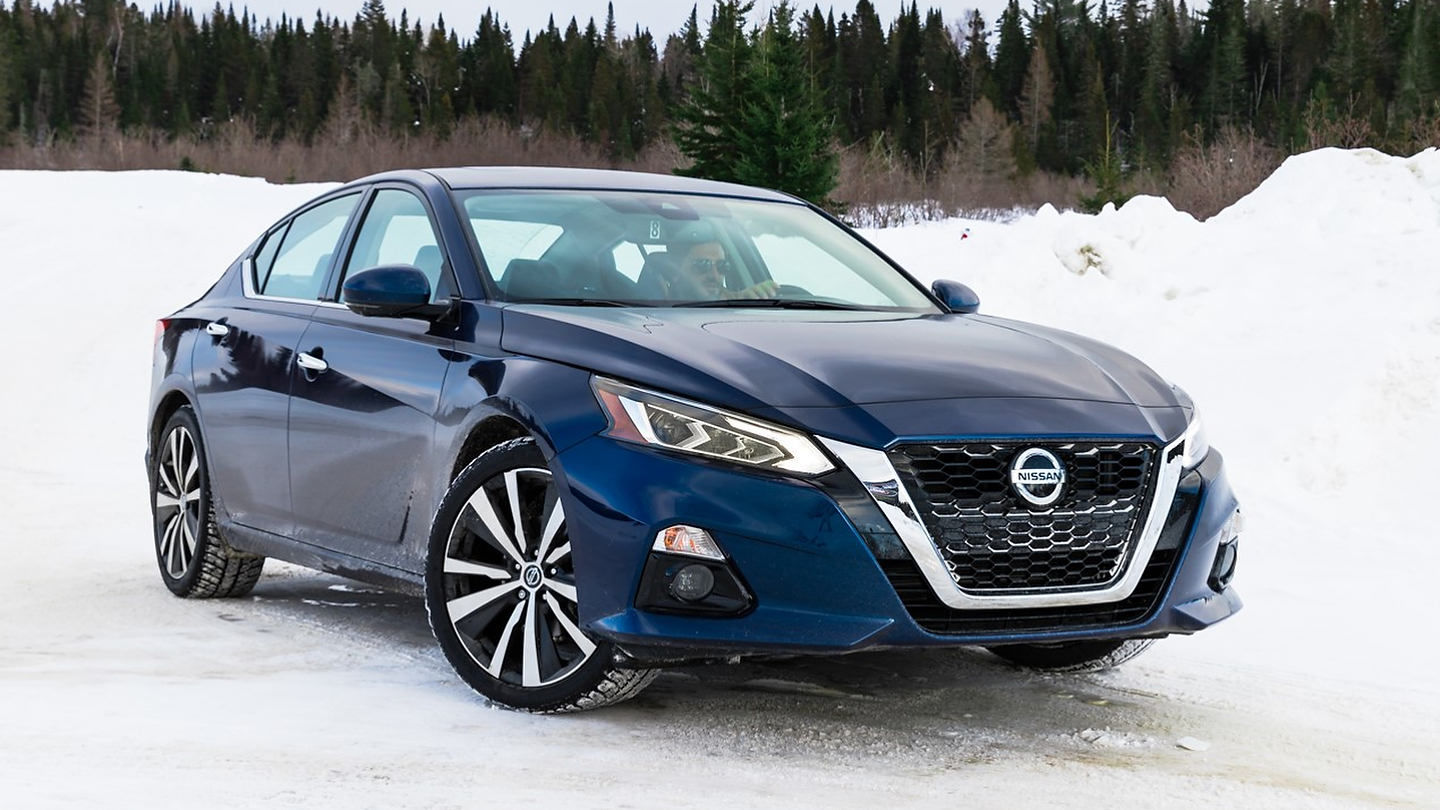
Nissan offers a variety of drivetrain options throughout its lineup, including two-wheel, four-wheel, and all-wheel drive. Each drivetrain type has an important role. However, the popularity of all-wheel drive is important during the winter months. It provides the control of 4WD, but it can also operate in 2WD mode for efficiency. There is much to know about Nissan's Intelligent AWD system, and we cover it here.
Intelligent AWD distributes power between both axles, depending on available traction throughout the system. This enhances performance in optimal road conditions and when they become slippery. In Canada, this type of versatility is important.
In the heart of the AWD system is a center differential. It includes gears that divide power from the transmission and sends them to the front and rear axles. It can also send power exclusively to the front wheels, resulting in a more efficient operation and fuel savings.
The moment you drive away in your Nissan with Intelligent AWD, the system automatically turns on and delivers power to the front and rear wheels. This maximizes grip in all conditions.
As you achieve your relative cruising speed, the system sends 100% torque to the front wheels, reducing fuel consumption. Intelligent AWD constantly monitors if power needs to be sent back to the rear wheels.
This system also enhances control and traction on winding roads. This is accomplished by transferring a percentage of power from the front to the rear wheels. The right torque on the right gripping points helps your Nissan take on windy roads and makes the drive even more enjoyable.
What is the difference between front-wheel drive and all-wheel drive?
Both systems have different power distribution. Front-wheel drive sends all power only to the front wheels. All-wheel drive sends power to all wheels for better traction and weight distribution. Nissan's Intelligent AWD uses FWD concepts to enhance efficiency while distributing power to all wheels based on any number of situations.
What is the difference between all-wheel drive and four-wheel drive?
In simple terms, AWD has the ability to split power between all wheels and even adjust power percentage to individual wheels. 4WD is more about adjusting the balance of power in larger, more robust vehicles such as pickup trucks and large SUVs.
You can shop for your car online with us. Our representatives are waiting for your call and can answer all your questions.